What Businesses Should Look for When Choosing Commercial Fencing in Metro Atlanta
Planning a Commercial Fence That Fits Your Property
A commercial fence does much more than mark the edge of a property. For many businesses, it helps protect equipment, organize traffic, limit access to restricted areas, and create a more professional appearance. The right fencing system can support daily operations without making the property feel closed off or difficult to navigate.
Commercial fencing also requires a different level of planning than most residential projects. A homeowner may be focused primarily on privacy, pets, or curb appeal. A business owner or property manager must often consider employees, customers, delivery drivers, service vehicles, stored materials, parking areas, and nearby public spaces at the same time.
That is why choosing commercial fencing in Metro Atlanta should begin with the way the property is currently used. A fence that works well for a small office building may not be appropriate for a warehouse, apartment community, school, storage facility, or industrial property. Each location has its own security concerns, access needs, and visual expectations.
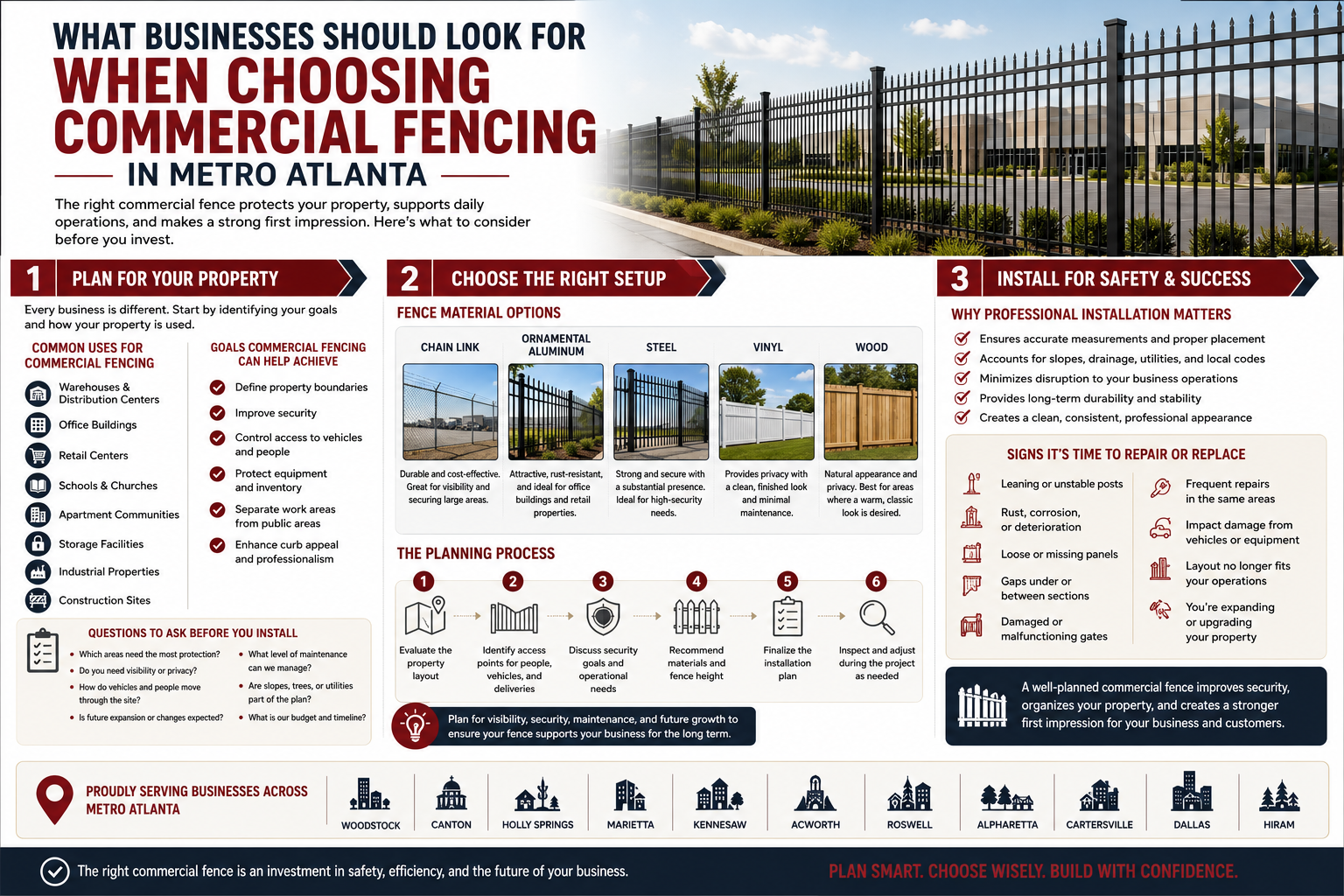
Commercial fencing is commonly installed around properties such as:
- Warehouses and distribution centers
- Retail buildings and shopping centers
- Office parks and professional buildings
- Apartment and condominium communities
- Schools, churches, and childcare facilities
- Automotive lots and service centers
- Industrial and manufacturing properties
- Storage facilities and equipment yards
- HOA-managed community spaces
- Construction and development sites
Before selecting a material or style, it helps to identify the main purpose of the fence. Some businesses need a strong perimeter that discourages unauthorized entry. Others want to separate customer areas from loading zones, protect outdoor equipment, define parking boundaries, or improve the appearance of the property from the street.
Many commercial properties have more than one goal. A business may need security fencing around a storage area while also wanting an attractive fence along the front of the building. In that situation, using the same fencing style around the entire property may not be the most practical solution. Different sections can be planned according to visibility, security, and appearance.
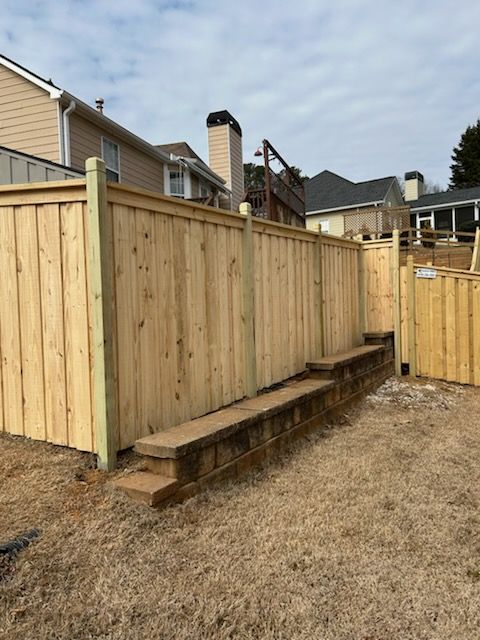
The layout of the property is equally important. Metro Atlanta commercial sites often include sloped ground, retaining walls, drainage areas, narrow side yards, utility equipment, and multiple paved surfaces. These details can affect where the fence is installed, how the sections are supported, and whether adjustments are needed to maintain a consistent appearance.
Business owners should also consider how people and vehicles move through the property. A poorly placed fence can interfere with deliveries, reduce parking space, create tight turning areas, or make it more difficult for employees to reach important parts of the site. Planning around daily operations helps the finished fence improve the property instead of becoming an obstacle.
Before scheduling a commercial fence installation, ask the following questions:
- Which parts of the property need the most protection?
- Does the business need visibility through the fence or greater privacy?
- Will employees, customers, trucks, or delivery vehicles regularly pass through the fenced area?
- Are valuable materials, machinery, or company vehicles stored outdoors?
- Should the fence blend into the property or make a stronger visual statement?
- How much ongoing maintenance is realistic for the business?
- Are future additions or changes to the property already being considered?
- Could drainage, slopes, trees, or utility lines affect the installation?
Taking time to answer these questions can prevent costly changes later. A fence should be planned for the business as it operates now while also allowing room for reasonable future growth. If a company expects to add more parking, expand an outdoor storage area, or change the flow of deliveries, those plans should be discussed before installation begins.
A professional commercial fence contractor can evaluate the property, discuss the business’s priorities, and recommend a layout that makes sense for the site. This early planning stage is one of the most important parts of the project because it establishes how the finished fence will support security, appearance, and everyday use.
Choosing the Right Fence Material for Your Business
Once the goals and layout of the property are clear, the next step is choosing a fencing material. Commercial fencing is available in several styles, and each one offers a different balance of strength, visibility, appearance, privacy, and maintenance.
Chain link fencing is a common choice for warehouses, storage areas, industrial properties, equipment yards, and other locations where visibility and dependable perimeter protection are important. It allows managers and employees to see through the fence while still establishing a clear physical boundary. It can also cover larger areas without making the property feel visually crowded.
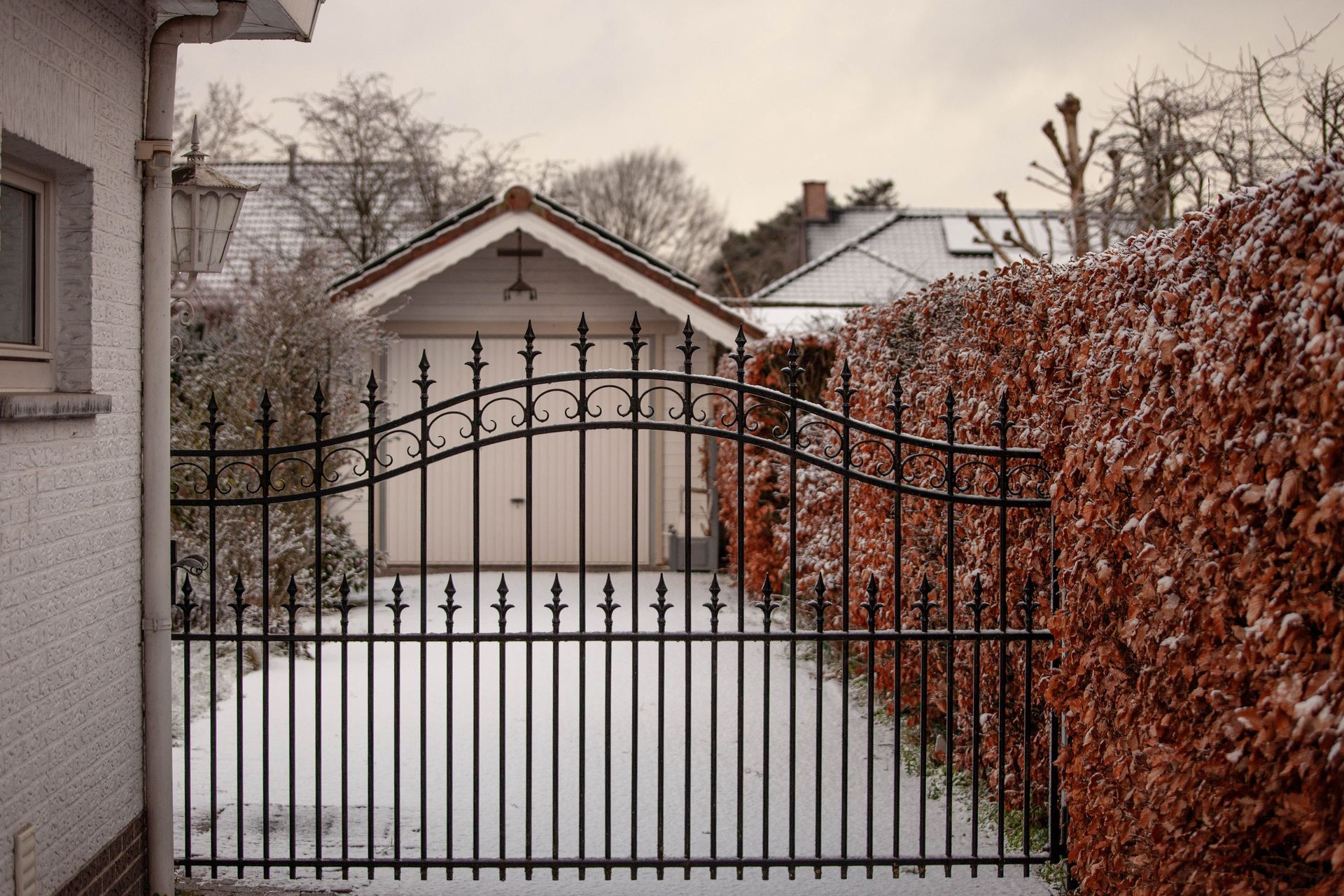
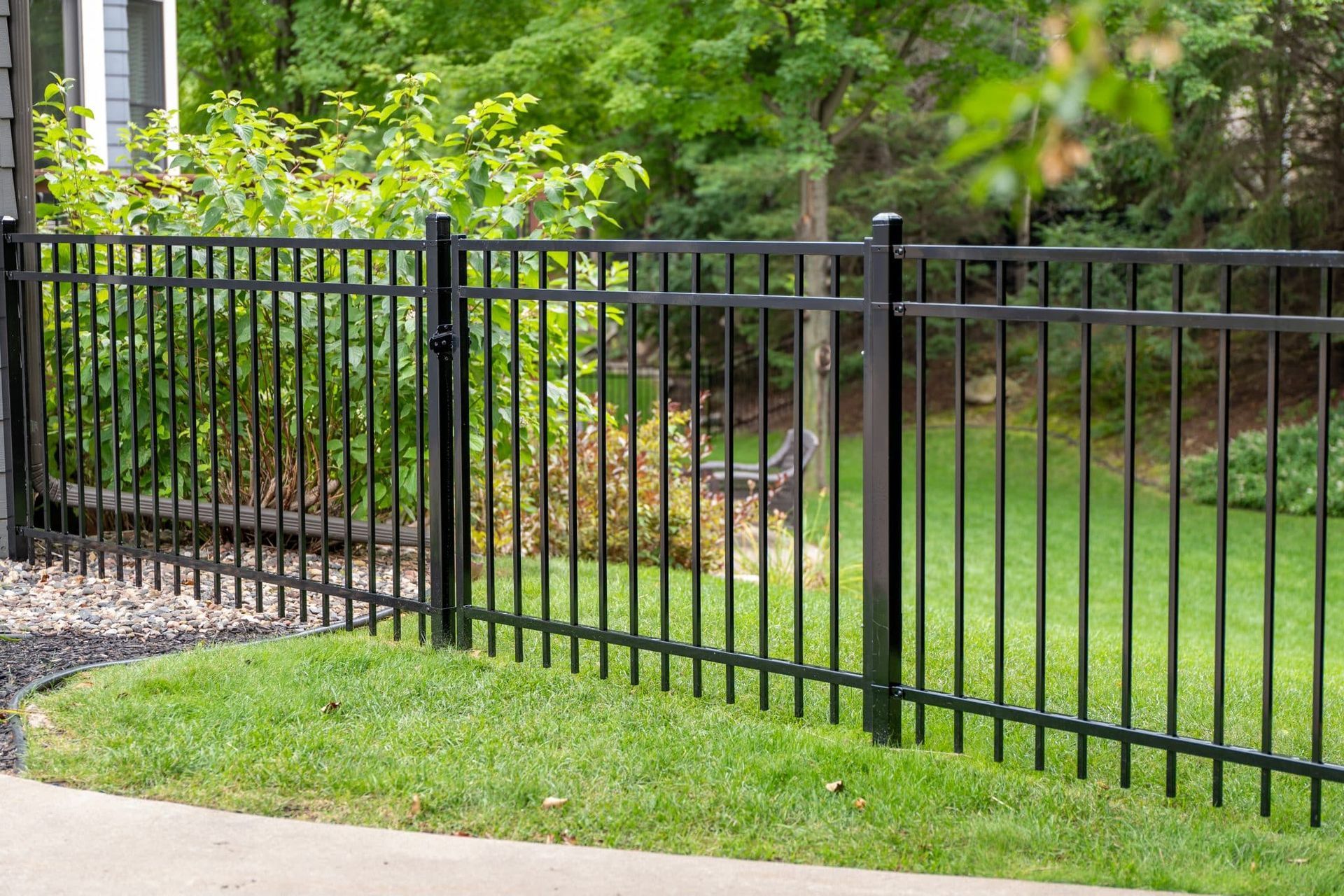
Ornamental aluminum fencing is often selected for office buildings, apartment communities, churches, schools, and commercial properties where appearance matters as much as boundary control. It offers a clean, professional look and can complement landscaped entrances, brick buildings, and modern developments. Aluminum also resists rust, which can make it a practical option for businesses that want attractive fencing with manageable maintenance.
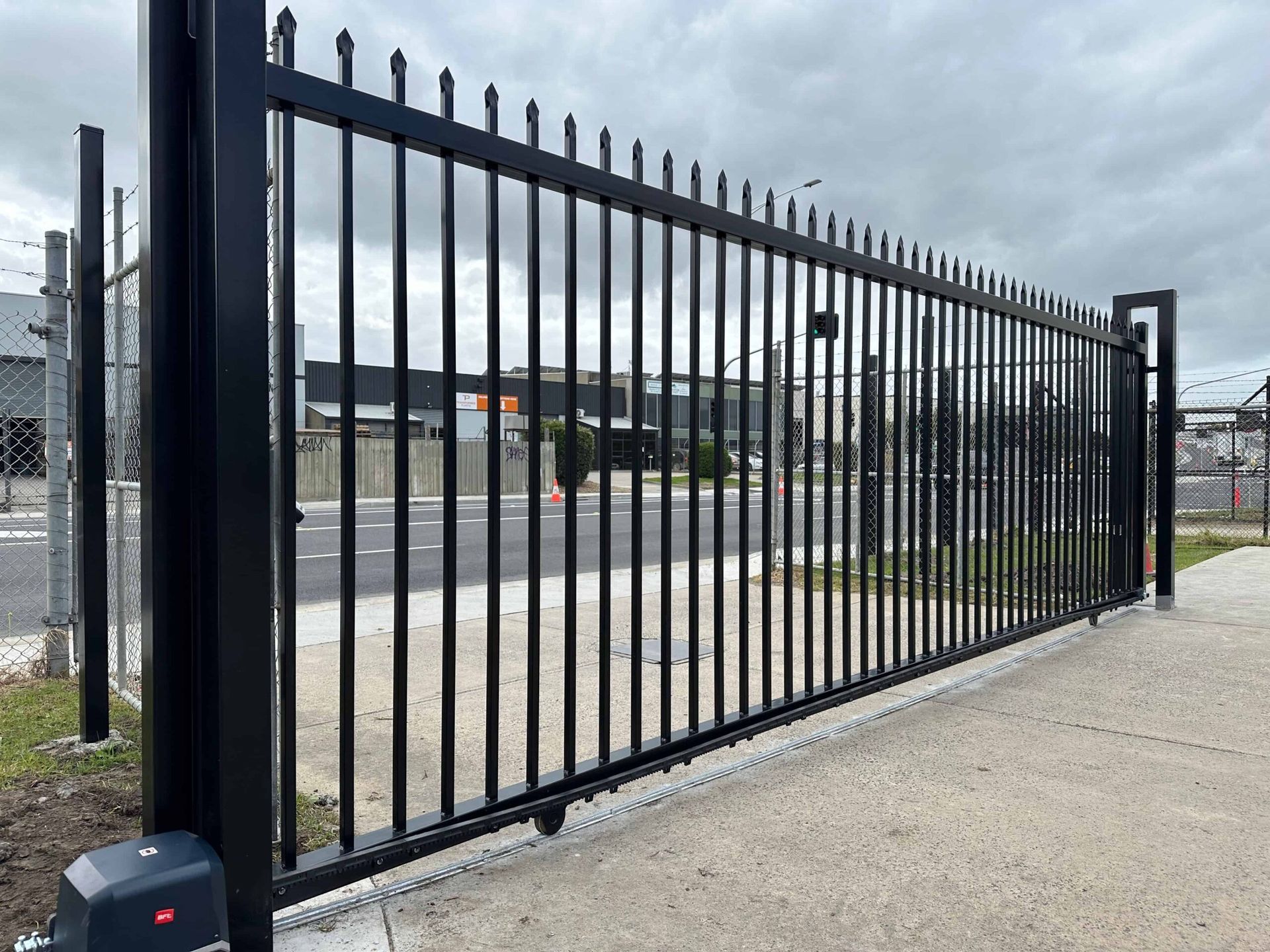
Steel fencing may be considered when a business needs greater strength and a more substantial appearance. It can work well for properties where durability and security are major concerns. Because steel is heavier than aluminum, the installation and long-term maintenance requirements should be discussed carefully before the material is selected.
Vinyl fencing can provide privacy and a clean appearance around certain commercial properties. It may be useful near apartment amenities, outdoor gathering spaces, service areas, or locations where screening is preferred. However, the suitability of vinyl depends on the amount of impact, traffic, and exposure the fence may experience.
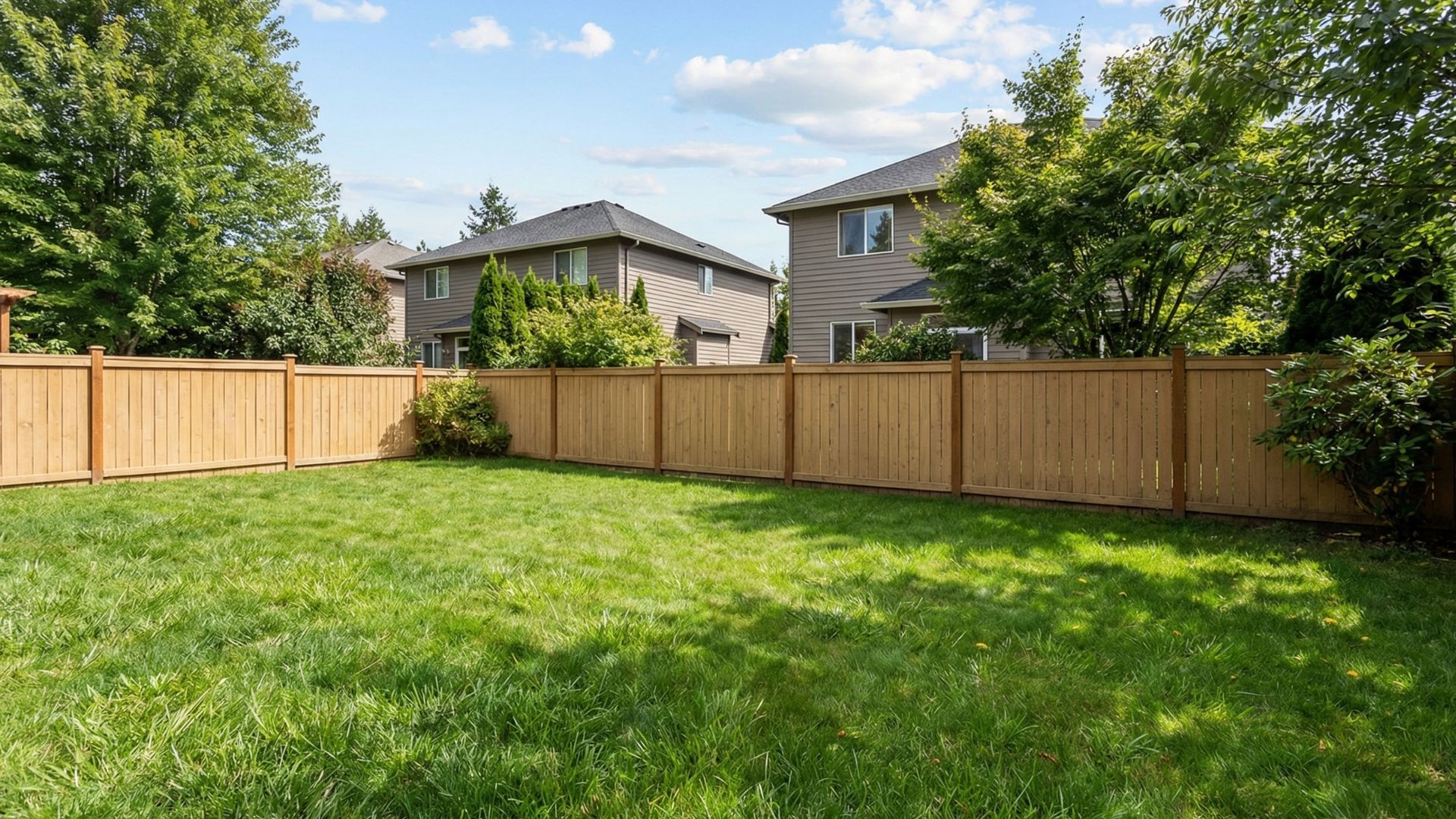
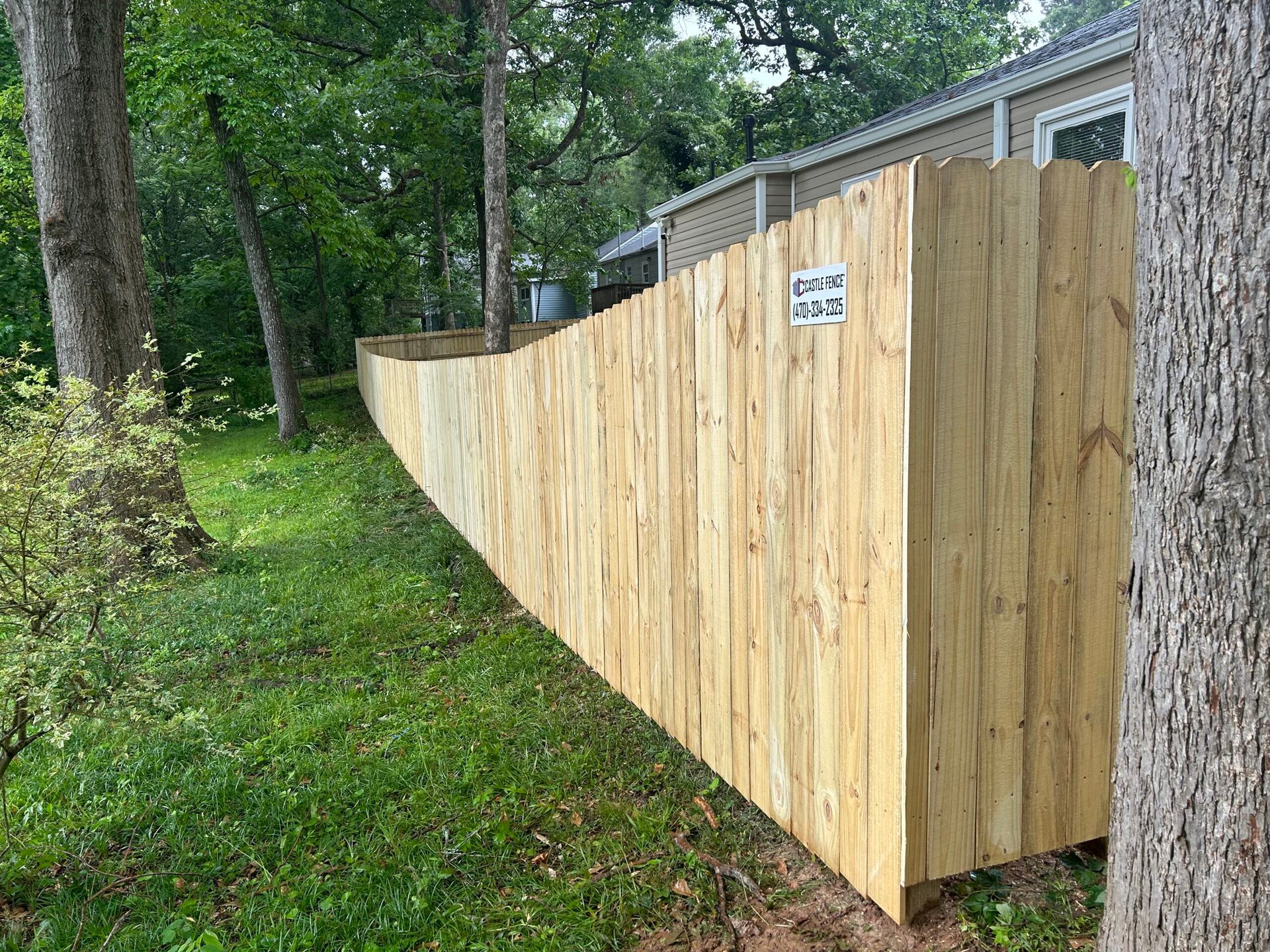
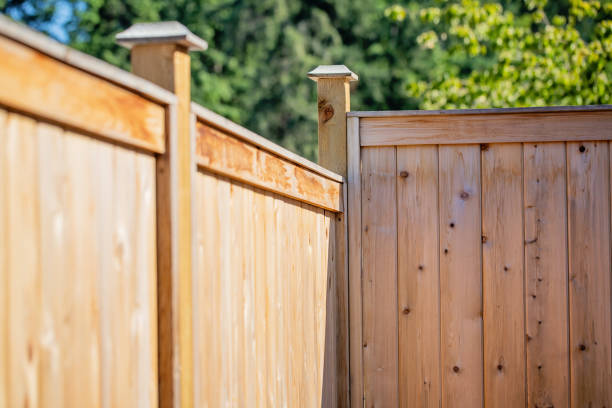
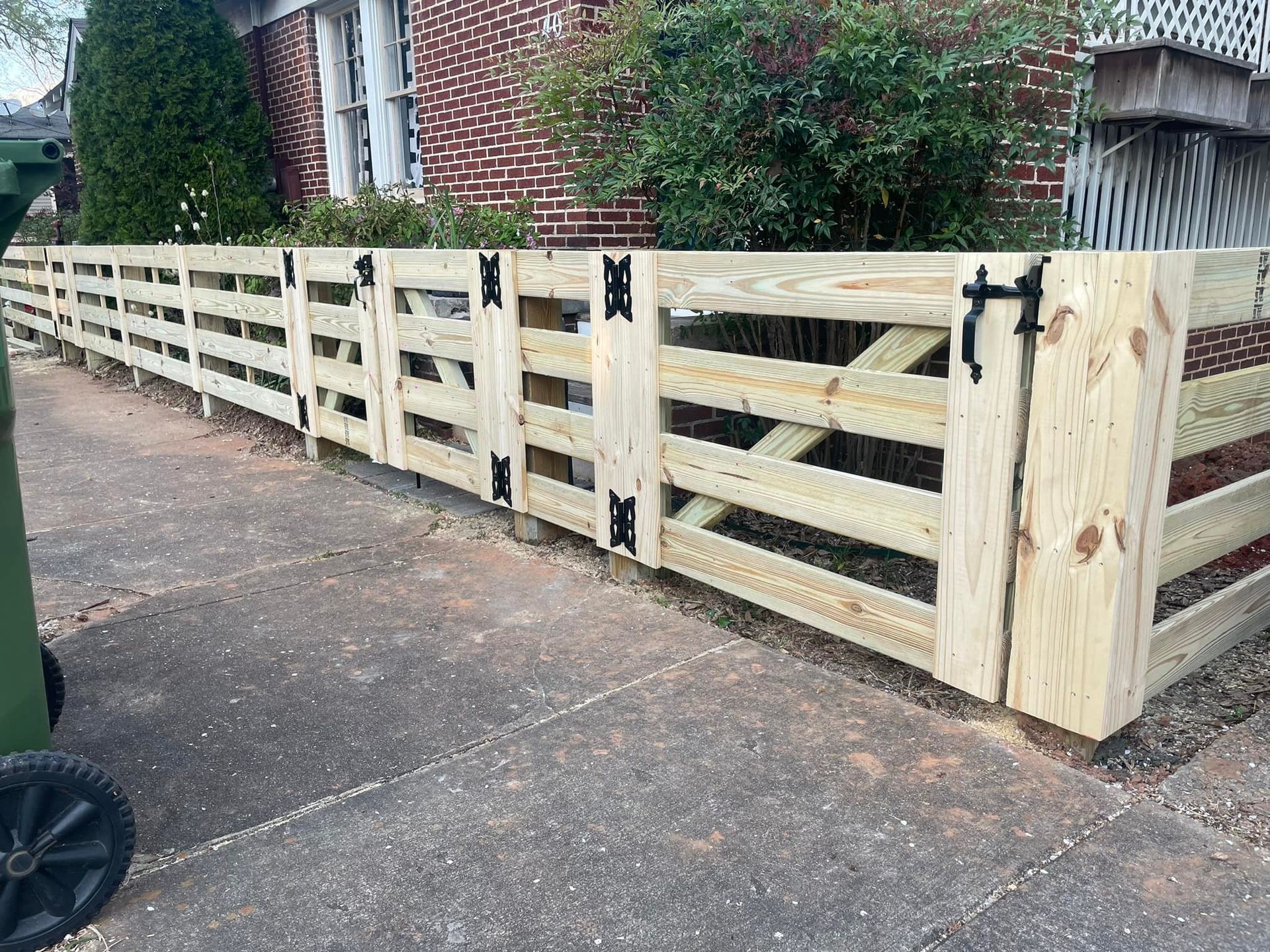
Wood fencing may be appropriate in selected commercial settings, particularly where privacy or a warmer, more traditional appearance is desired. Restaurants, small offices, multifamily properties, and outdoor customer areas may benefit from wood in specific sections. Businesses should keep in mind that wood usually requires more maintenance than metal or vinyl alternatives.
When comparing commercial fencing materials, consider:
- The level of security the property requires
- Whether visibility through the fence is beneficial
- The desired height and overall appearance
- Exposure to vehicles, equipment, weather, and heavy use
- The size of the area being enclosed
- The amount of maintenance the business can manage
- The surrounding buildings, landscaping, and neighborhood
- The expected lifespan of the fencing system
Balancing Security, Visibility, and Maintenance
The strongest-looking fence is not automatically the best choice for every commercial property. A business should select fencing that responds to its specific risks without creating unnecessary problems for customers, employees, or neighboring properties.
Visibility can be valuable around parking lots, loading areas, playgrounds, and equipment yards. Employees may need to see approaching vehicles, while managers may want a clear view of outdoor inventory. In those situations, chain link or ornamental metal fencing may provide a helpful balance between boundary control and visibility.
Privacy may be more important around dumpsters, utility equipment, employee areas, apartment amenities, or outdoor workspaces. Screening these areas can improve the appearance of the property and reduce visual distractions. However, complete privacy should be planned carefully because it can also create hidden areas that are harder to monitor.
Maintenance is another major consideration. A fence installed around an active business may be exposed to delivery carts, landscaping equipment, trucks, weather, and frequent contact. Selecting a material that fits the level of activity can help reduce repairs and keep the property looking professional.
A commercial fence contractor will typically follow a planning process similar to this:
- Evaluate the boundaries, terrain, and current use of the property.
- Identify the areas that require security, privacy, or visual separation.
- Review how employees, customers, and vehicles move through the site.
- Discuss the strengths and limitations of suitable fence materials.
- Determine the appropriate height and placement for each section.
- Plan around utilities, pavement, drainage systems, and landscaping.
- Develop an installation approach that limits disruption to the business.
The best commercial fence plan may use more than one material or height. For example, an attractive ornamental fence may be installed along the public-facing portion of a property, while a more practical chain link system protects equipment behind the building. This approach allows the business to maintain curb appeal without sacrificing function.
Commercial fencing should also be evaluated as part of the larger property. Exterior lighting, security cameras, landscaping, signs, parking flow, and building access all work together. A fence is most effective when it supports those other features rather than being planned separately from them.
For businesses in Woodstock and throughout Metro Atlanta, local terrain and property conditions can add complexity to the project. Sloped lots, dense development, busy roads, and limited installation space may require careful measurements and custom planning. An experienced contractor can account for those conditions before materials arrive and installation begins.
Why Professional Commercial Fence Installation Matters
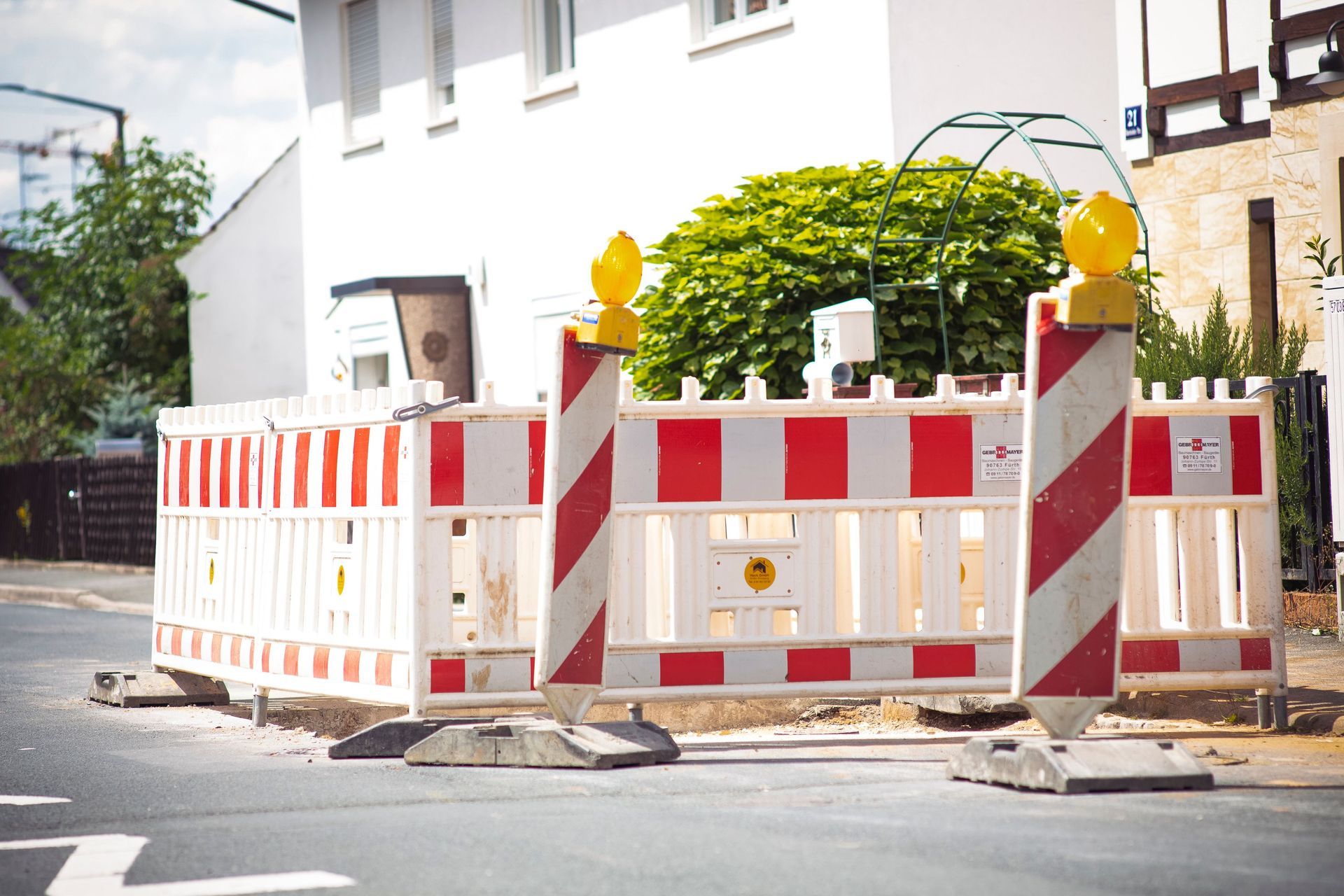
Commercial fence installation involves more than setting posts and attaching panels. The fence must follow the property layout, remain stable under regular use, and support the way the business operates. Mistakes in measurement, placement, or installation can create security gaps, uneven sections, drainage problems, or ongoing repair needs.
A professional contractor begins by reviewing the entire site rather than focusing only on the fence line. Pavement, slopes, underground utilities, retaining walls, landscaping, neighboring properties, and traffic patterns can all influence the installation. Addressing these issues ahead of time helps prevent delays and unexpected changes once work has started.
Professional planning is especially important on active commercial properties. Businesses may need to remain open while the fence is installed. Employees still need parking, customers still need safe access, and deliveries may need to continue. A coordinated installation plan can reduce disruption and keep important areas usable throughout the project.
Commercial fencing must also look consistent. Uneven heights, poorly aligned sections, large gaps, or unstable posts can make a property appear neglected even when the materials are new. Proper installation helps the fence maintain a clean appearance while providing the strength and coverage the business expects.
Existing commercial fencing should be inspected periodically, especially after storms, construction activity, or accidental impact. Signs that a business may need fence repair or replacement include:
- Leaning posts or fence sections
- Rust, corrosion, or damaged coatings
- Loose connections or detached panels
- Gaps beneath or between fence sections
- Repeated repairs in the same area
- Damage caused by vehicles or equipment
- A layout that no longer fits the property’s operations
- Changes to parking, storage, or building use
- Fencing that no longer matches the appearance of the business
Not every damaged fence needs complete replacement. A localized repair may be appropriate when the rest of the system remains stable and functional. However, replacement may be more cost-effective when damage is widespread, materials are heavily deteriorated, or the current layout no longer serves the property.
Businesses also benefit from planning fence improvements alongside other property upgrades. If the company is expanding a parking lot, adding a building, changing landscaping, or creating a new outdoor storage area, the fencing should be included in the project from the beginning. Early coordination can reduce duplicated work and help the entire property feel intentionally designed.
Commercial Fence Installation in Woodstock and Metro Atlanta
A well-planned commercial fence can protect valuable assets, organize a busy property, and create a stronger first impression. The key is selecting a system based on the actual needs of the business rather than choosing a material solely because it is familiar or inexpensive.
Castle Fence Company works with commercial property owners, managers, contractors, and organizations to develop fencing solutions for a variety of properties. The process begins with understanding how the site is used, which areas need protection, and what the business wants the finished fence to accomplish.
Commercial fencing can help a property:
- Establish clear and professional property boundaries
- Protect equipment, vehicles, materials, and outdoor inventory
- Separate customer areas from work or service zones
- Improve the appearance of public-facing spaces
- Support safer traffic and pedestrian movement
- Screen utility areas or other less attractive parts of the property
- Prepare the site for future growth or operational changes
The right solution will depend on the size of the property, security priorities, visibility requirements, terrain, maintenance expectations, and budget. A knowledgeable contractor can explain the available options and help the business compare them based on long-term performance rather than appearance alone.
Local experience is also important. Commercial properties in Woodstock, Canton, Holly Springs, Marietta, Kennesaw, Acworth, Roswell, Alpharetta, Cartersville, Dallas, Hiram, and surrounding Metro Atlanta communities vary widely. Some have large open perimeters, while others sit on tight lots near busy roads or neighboring businesses. The fencing plan should respond to the specific property rather than relying on a one-size-fits-all design.
Before beginning a project, business owners should gather information about property lines, future construction plans, daily traffic, and the areas that need the most protection. Sharing those details during the initial consultation allows the contractor to recommend a more practical layout and material.
If your business needs new commercial fencing, repairs to an existing system, or guidance on choosing the right material, contact Castle Fence Company. A professional evaluation can help you create a fence that supports security, appearance, and daily operations while fitting the unique needs of your Metro Atlanta property.