Temporary Fencing in Woodstock, GA: When Does Your Property or Project Need It?
A Flexible Way to Secure a Property, Project, or Event
Not every property needs a permanent fence. Sometimes the need for a secure boundary only lasts for a few days, several weeks, or the length of a construction project. In those situations, temporary fencing can provide a practical way to control access, define work areas, protect equipment, and create clear boundaries without committing to a permanent installation.
For homeowners, contractors, businesses, and event organizers in Woodstock, GA and throughout Cherokee County, temporary fencing can be useful in a wide range of situations. It can help separate an active construction area from the rest of a property, create a controlled perimeter around an outdoor event, or temporarily restrict access to an area undergoing repairs or renovations.
The biggest advantage is flexibility. A temporary fence can be installed where it is needed, adjusted as a project changes, and removed once the need for it is over. That makes it especially useful for properties where installing a permanent fence would be unnecessary, impractical, or too restrictive.
When Temporary Fencing Makes Sense
Temporary fencing is often associated with large commercial construction sites, but its uses go well beyond major building projects. Residential renovations, landscaping work, community events, and short-term property security can all create situations where a temporary boundary is helpful.
- Construction and renovation projects: Temporary fencing can help separate active work areas from homeowners, employees, customers, pedestrians, and neighboring properties.
- Outdoor events: Festivals, community gatherings, private events, and other outdoor activities may need clearly marked entrances, exits, restricted areas, or crowd-control boundaries.
- Residential improvement projects: Pool installations, major landscaping projects, exterior renovations, and other work can temporarily change how a yard or property is used.
- Commercial properties: Businesses may need a temporary barrier around areas under construction, repair, or redevelopment.
- Short-term security needs: Vacant areas, stored materials, equipment, or portions of a property may need to be secured for a limited amount of time.
- Changing project layouts: Because temporary fencing can be relocated, it can adapt as work zones, access points, or site requirements change.
One of the reasons temporary fence installation is so useful is that property needs rarely remain exactly the same throughout a project. A contractor may need to close off one portion of a site during the first phase of work and another area later. A homeowner may need to keep part of the yard inaccessible while landscaping or exterior improvements are underway. An event organizer may need to establish separate areas for guests, staff, vendors, or equipment.
Instead of trying to create makeshift barriers, professional temporary fencing provides a clearly defined perimeter designed specifically for short-term use. For projects in Woodstock and surrounding North Georgia communities, it offers a straightforward way to add structure and security while still allowing the property to return to normal once the work or event is complete.
Construction Sites, Events, and Other Short-Term Fencing Needs
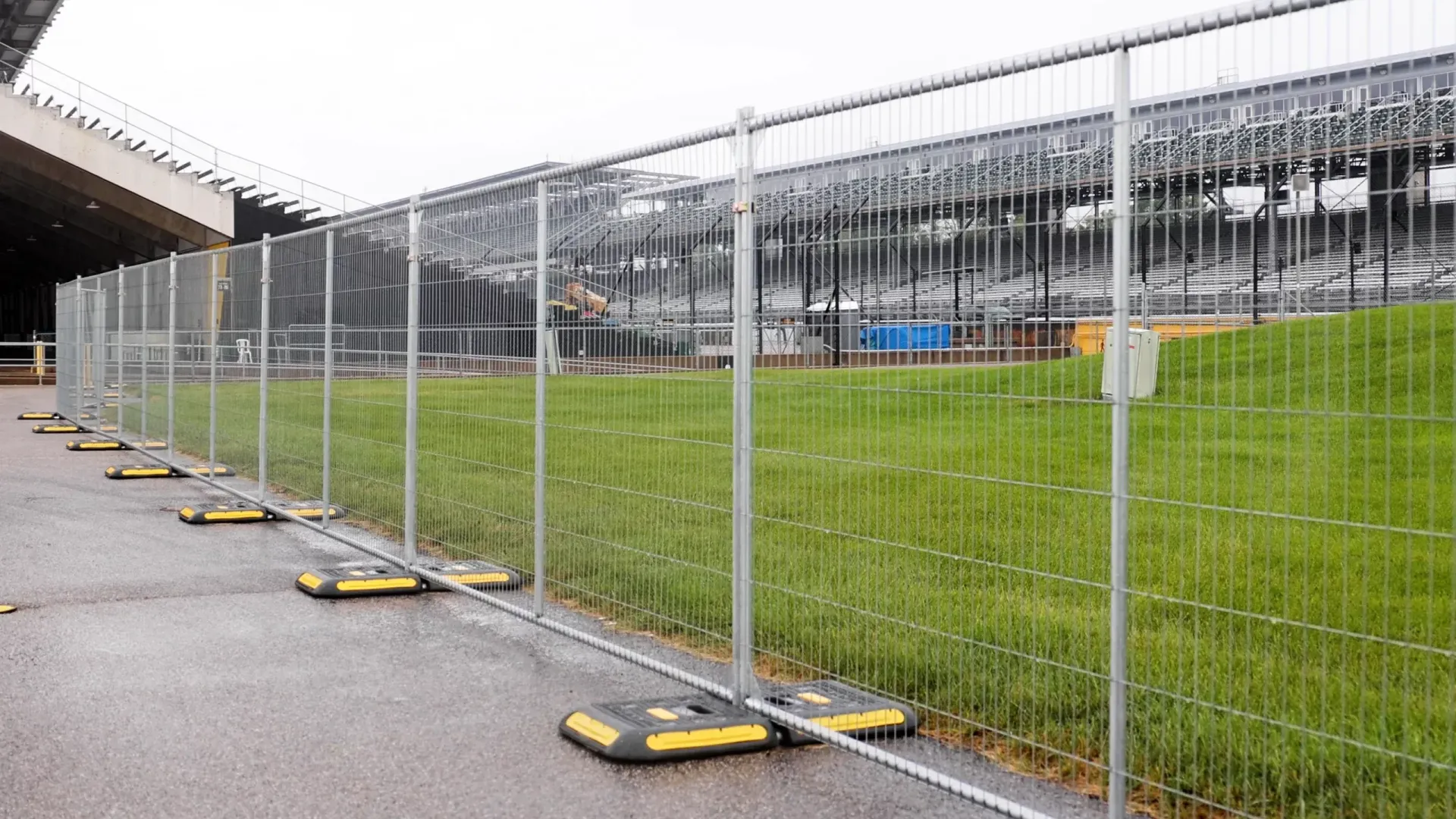
The right temporary fence layout depends on how the property is being used. A construction site has different priorities from an outdoor event, and a residential renovation may require a much smaller enclosed area than a commercial project. Understanding what the fence needs to accomplish helps determine where it should be placed and how the space should be organized.
On a construction site, temporary fencing can help create a clear division between active work zones and surrounding areas. Construction equipment, building materials, open work areas, and changing site conditions can make it important to establish where workers and authorized visitors should enter and where others should remain outside the perimeter.
For residential projects in Woodstock, temporary fencing can be just as useful. A homeowner having a pool installed, completing major landscaping, replacing an exterior structure, or undergoing a substantial renovation may need to keep children, pets, guests, or neighbors away from part of the property until the work is finished.
Common Ways Temporary Fencing Can Be Used
Because temporary fencing can be installed in many different configurations, it can support a variety of short-term property needs. Some of the most common examples include:
- Creating a construction perimeter: Establishing a visible boundary around an active residential or commercial job site.
- Protecting equipment and materials: Keeping stored supplies, machinery, or work areas separated from public or unauthorized access.
- Managing event entrances and exits: Helping guide guests toward designated access points instead of allowing unrestricted entry around the site.
- Separating restricted areas: Creating boundaries around vendor spaces, equipment zones, work areas, or locations that should not be open to guests.
- Securing part of a residential yard: Temporarily closing off areas affected by construction, landscaping, repairs, or other property improvements.
- Adjusting as a project progresses: Moving sections of fencing as work shifts to another area or the usable portion of the property changes.
Temporary fencing can also help make a project site easier to understand at a glance. When visitors, workers, delivery drivers, or homeowners arrive at a property, a defined perimeter makes it clearer where active work is taking place and where normal access remains available.
Why Flexibility Matters During a Project
Permanent fencing is designed to stay in one location for years. Temporary fencing is designed around changing needs. That difference matters when a project moves through several stages or when the amount of space that needs to be restricted changes over time.
For example, the beginning of a construction project may require a large enclosed area for materials and equipment. Later, as work is completed, that same area may no longer need to remain closed off. Being able to adjust the fence can help contractors and property owners use the site more efficiently instead of working around a fixed barrier.
The same principle applies to events. A temporary fencing layout can be planned around the specific property, anticipated foot traffic, entry points, vendor locations, and restricted spaces. Once the event is finished, the fencing can be removed without permanently changing the property.
This combination of security and adaptability is one reason temporary construction fencing is useful throughout Woodstock, Canton, Holly Springs, Marietta, Kennesaw, Acworth, and surrounding Metro Atlanta communities. Whether the project lasts a weekend or several months, the fencing can serve the immediate need without becoming a permanent feature of the property.
Why Professional Temporary Fence Installation Matters
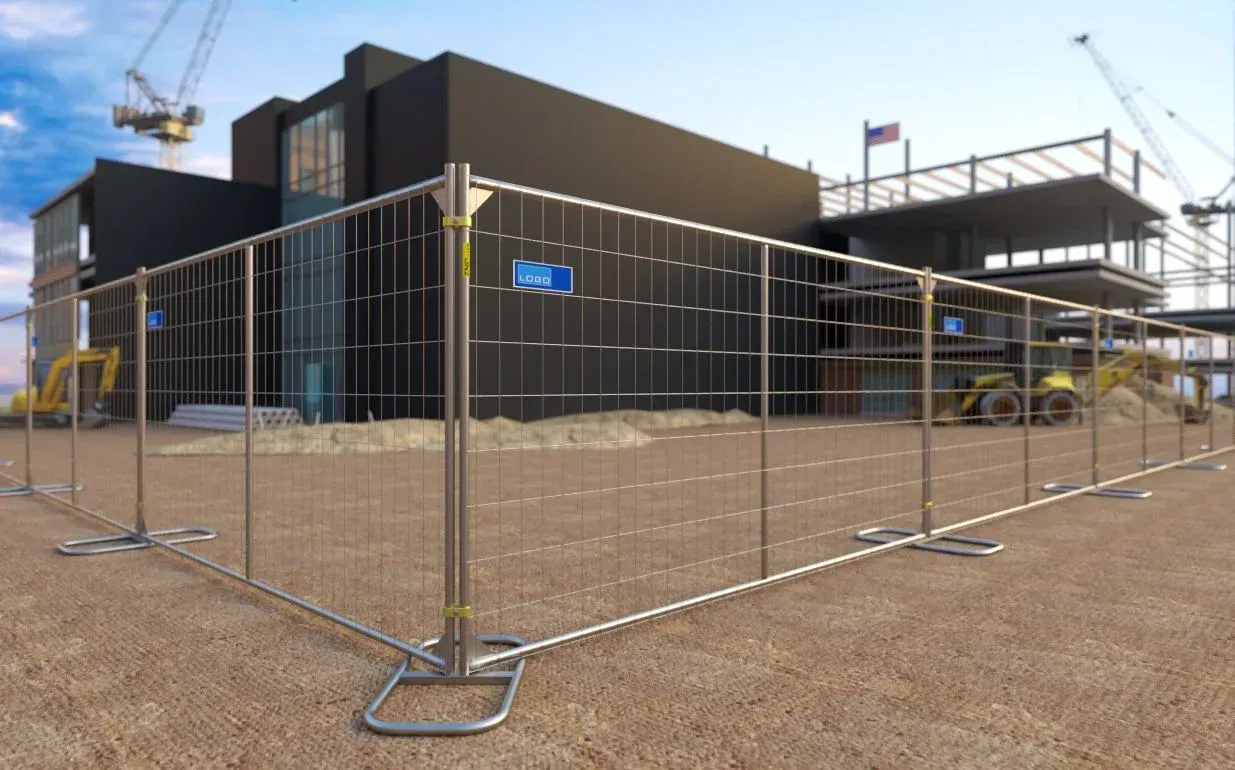
Because temporary fencing is not meant to stay in place permanently, it can be tempting to think that installation does not matter very much. In reality, the way the fencing is positioned and set up plays an important role in how useful it is throughout the project or event.
A professional fence company can evaluate the property and determine how to create an appropriate perimeter while maintaining the access points the site still needs. The goal is not simply to put up fence panels. It is to create a temporary layout that fits the way people, equipment, vehicles, and workers will actually move through the property.
Proper placement can also reduce the likelihood of inconvenient gaps or poorly positioned sections that make it harder to use the site. For construction projects, that may mean accounting for deliveries and work access. For events, it could involve establishing clear entry and exit points. For residential work, the layout may need to protect one area while leaving the rest of the yard accessible to the homeowner.
- Plan a perimeter that fits the property and purpose of the project
- Maintain appropriate entrances and access points
- Keep restricted areas clearly separated from open areas
- Adjust the fencing if site requirements change
- Remove the temporary fencing when it is no longer needed
Professional setup and removal also make temporary fencing more convenient for property owners and contractors. Instead of sourcing materials, figuring out placement, setting everything up, and determining what to do with the fencing afterward, the entire process can be handled as part of the temporary fencing service.
Temporary Fence Installation in Woodstock and Metro Atlanta
Castle Fence Company provides temporary fencing solutions for construction sites, residential projects, commercial properties, events, and other short-term needs throughout Woodstock and the surrounding area. Whether the goal is to establish a construction perimeter, control access to part of a property, or create clear boundaries for an event, temporary fencing offers a practical option when a permanent installation is not necessary.
Local experience can be especially helpful because every property is different. A temporary fence around a commercial construction site may need a completely different layout from fencing used for a residential renovation or community event. The size of the property, terrain, access points, surrounding structures, and expected activity all affect how the space should be organized.
Castle Fence Company serves Woodstock, Cherokee County, and communities throughout the greater Metro Atlanta area, including Canton, Holly Springs, Marietta, Kennesaw, Acworth, Roswell, and other nearby North Georgia locations. For property owners and contractors searching for temporary fencing in Woodstock, GA, working with a local fence company can make it easier to plan an installation that fits both the property and the length of the project.
Choose the Right Fence for the Time You Actually Need It
A fence does not have to be permanent to be valuable. When a construction project, event, renovation, or other temporary situation creates the need for a secure and clearly defined boundary, temporary fencing can provide that separation without permanently changing the property.
Before deciding whether temporary fencing is appropriate, consider what you need the barrier to accomplish. Do you need to keep visitors away from an active work area? Are you trying to create controlled entry points for an event? Does part of your yard need to remain inaccessible while contractors complete a project? The answers can help determine the size and layout of the temporary fence.
- Identify the area that needs to be enclosed or restricted.
- Determine which entrances or access points must remain available.
- Consider whether the fenced area may change during the project.
- Estimate how long the temporary barrier will be needed.
- Work with an experienced fence company to plan the installation and removal.
If your property or project in Woodstock, Cherokee County, or the surrounding Metro Atlanta area needs a fence for a limited amount of time, Castle Fence Company can help you determine whether temporary fencing is the right solution. With professional installation, adjustable layouts, and removal when the job is finished, you can create the boundary you need now without committing to a permanent fence later.